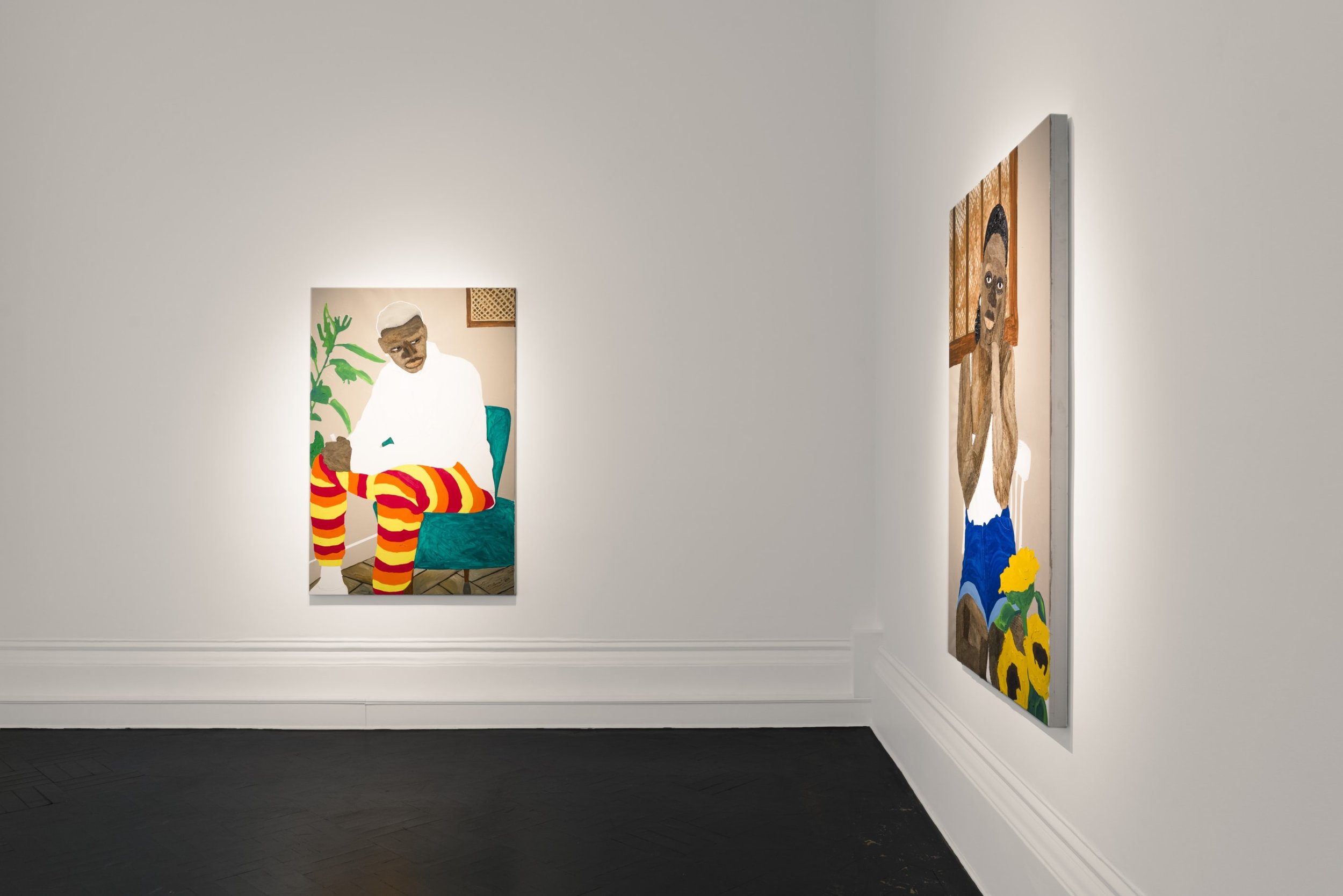
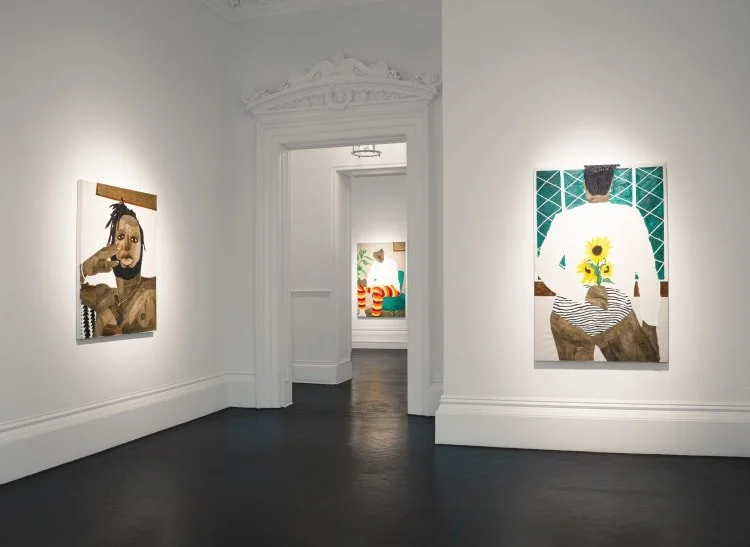
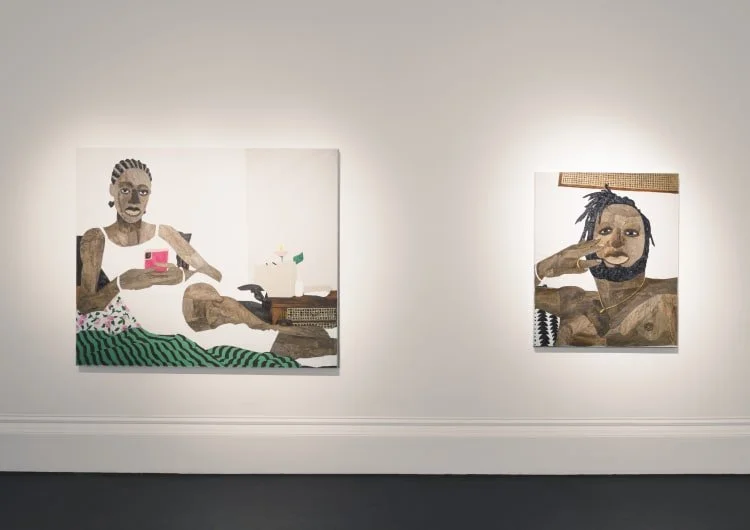
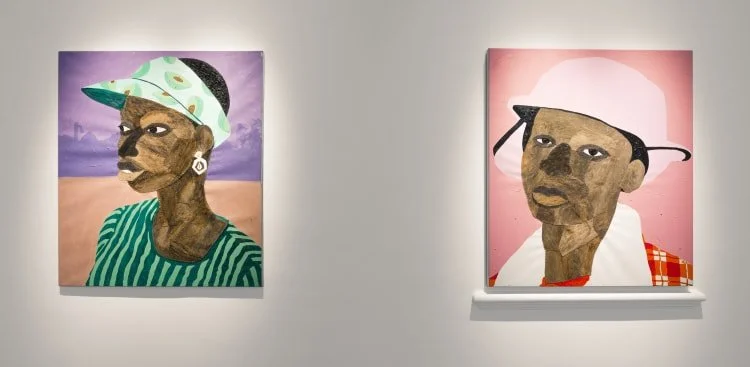
Uncaged and Watered,Doku Borlabi, Gallery 1957 , Dec 2023
*
Uncaged and Watered,Doku Borlabi, Gallery 1957 , Dec 2023 *
“The caged bird sings with a fearful trill, of things unknown, but longed for still, and his tune is heard on the distant hill, for the caged bird sings of freedom.”
- Maya Angelou
“Imagination gives us borders, gives us superiority, gives us race as an indicator of ability. I often feel I am trapped inside someone else’s capability. I often feel I am trapped inside someone else's imagination, and I must engage my own imagination in order to break free.”
- Adrienne Maree Brown
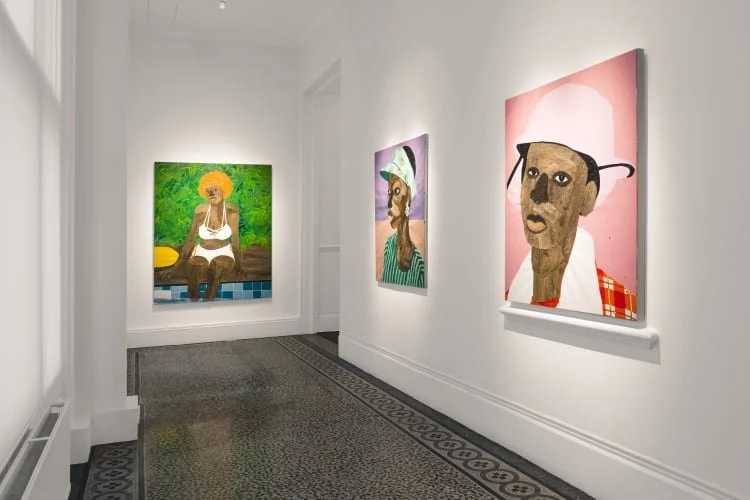
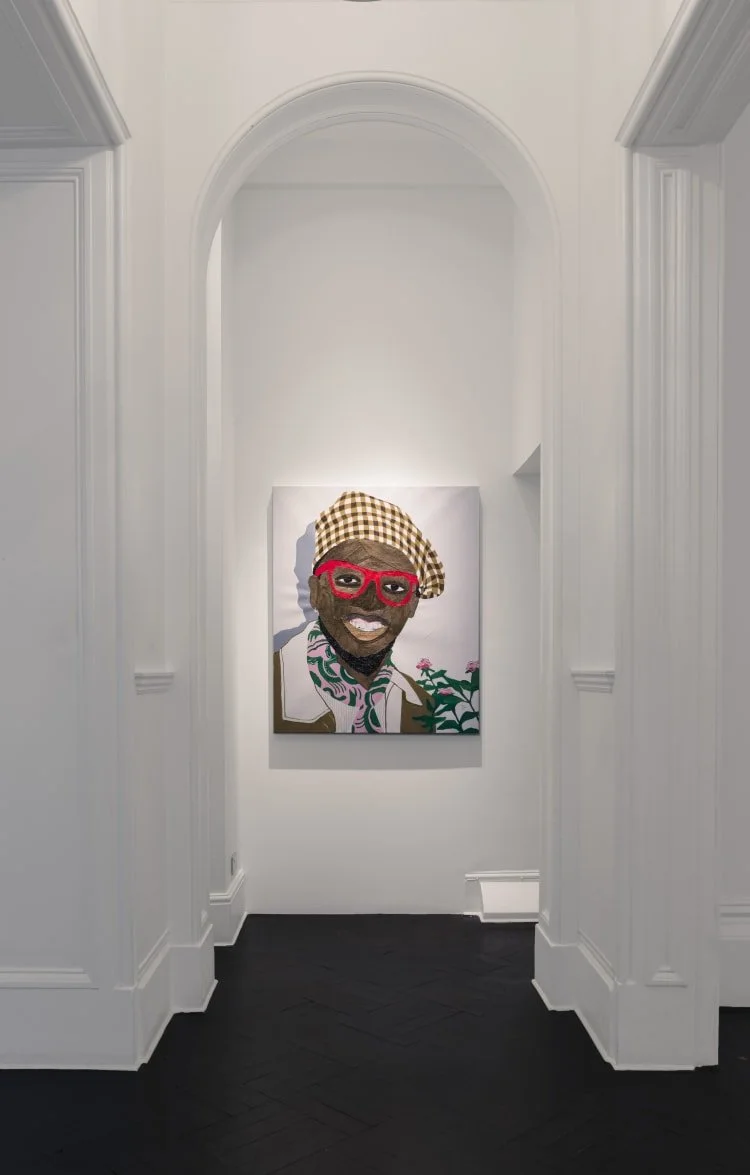
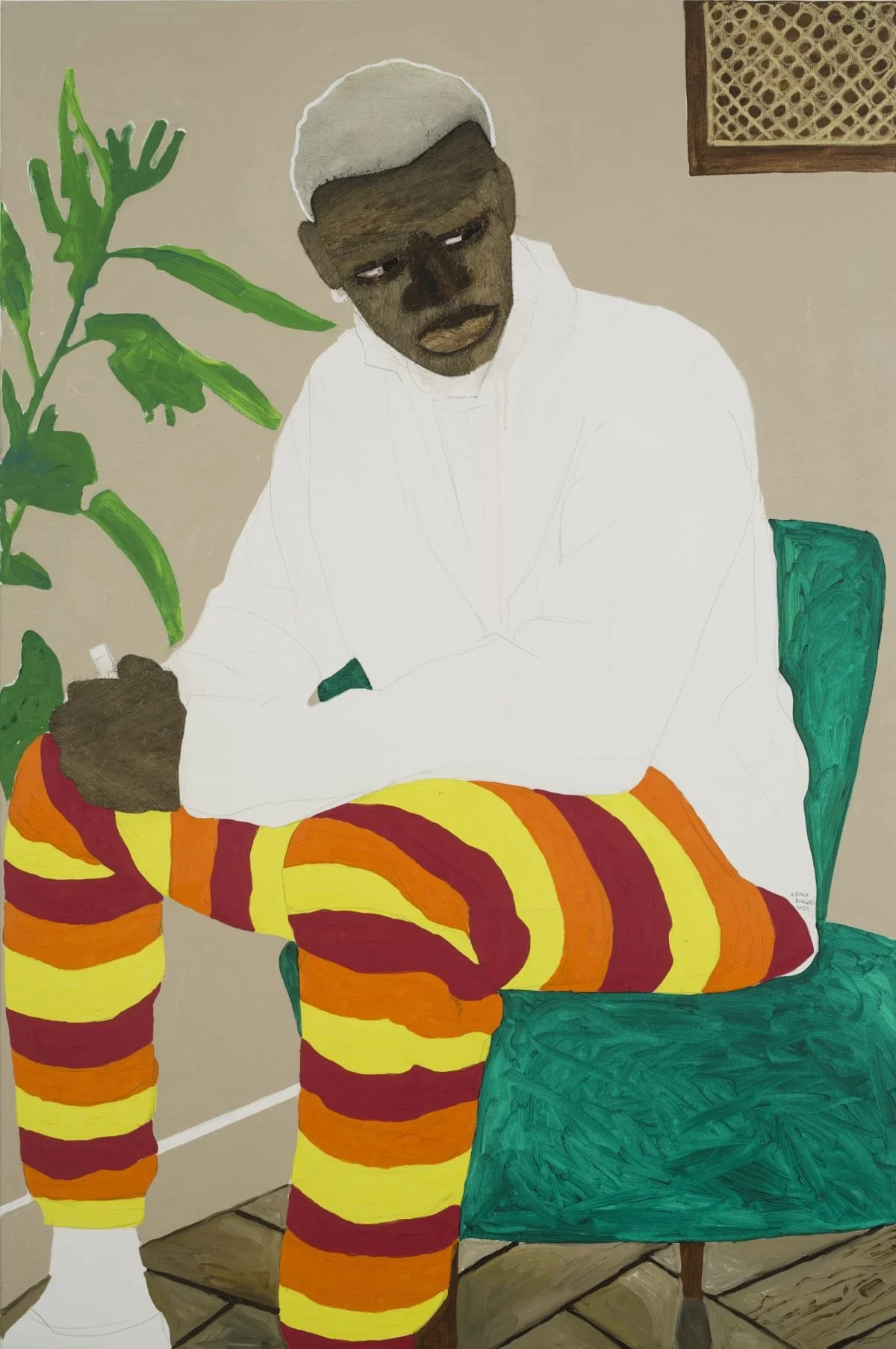
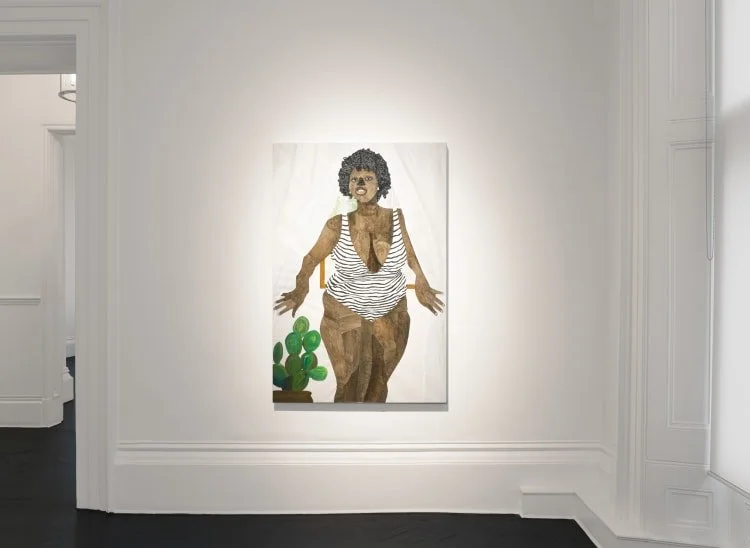
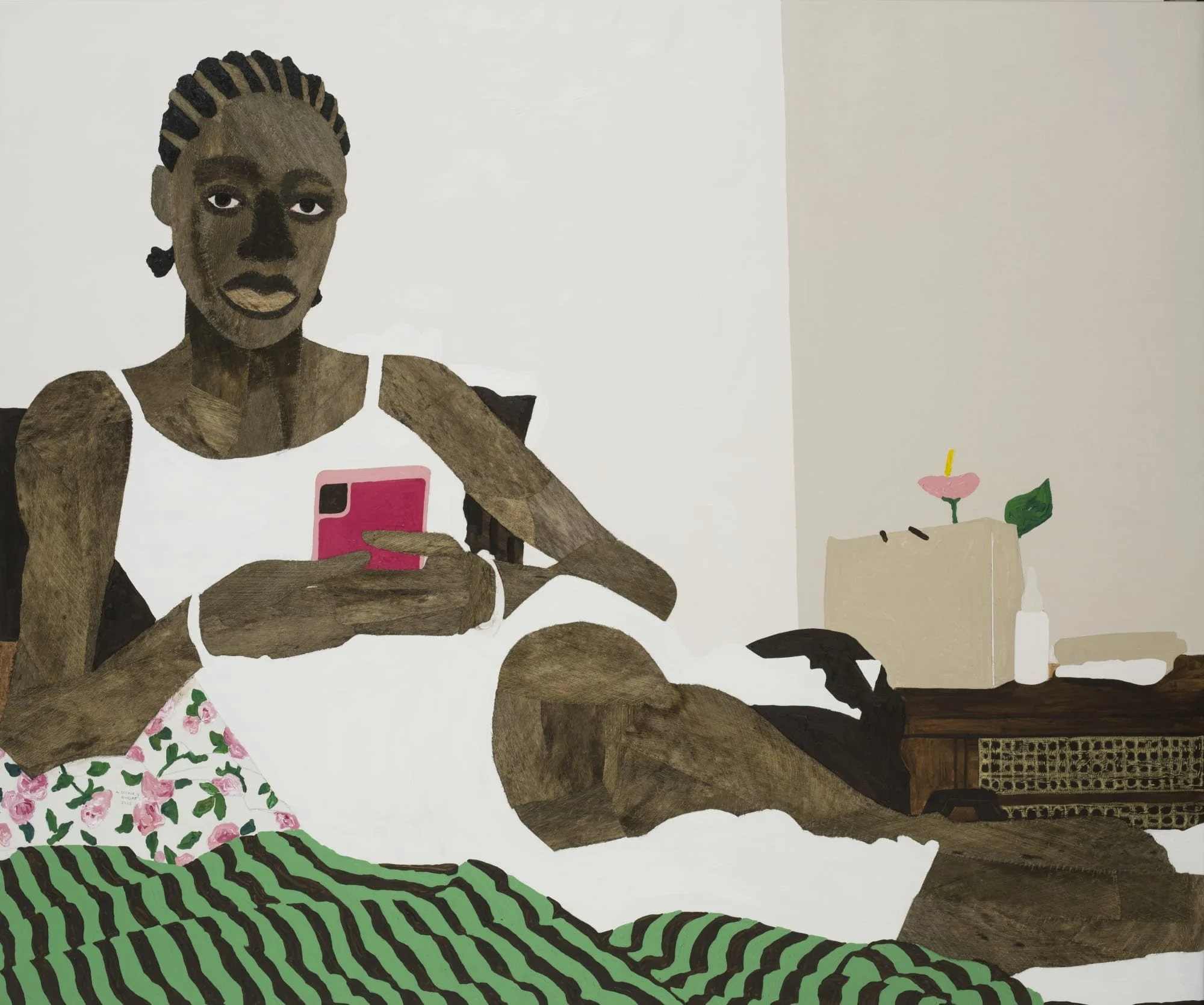
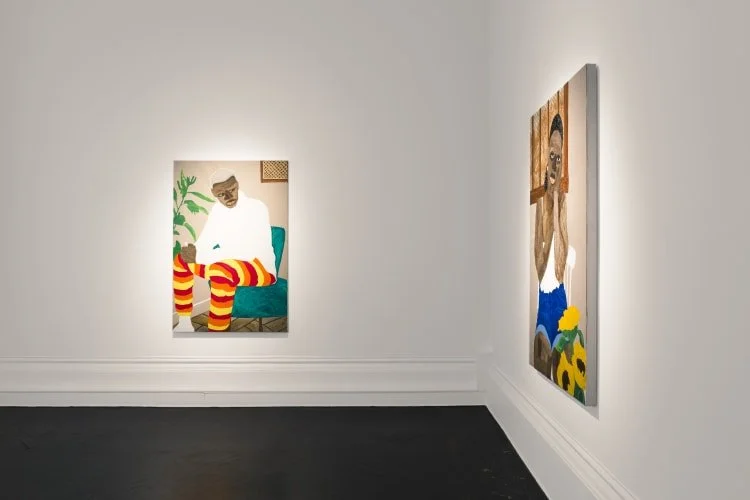
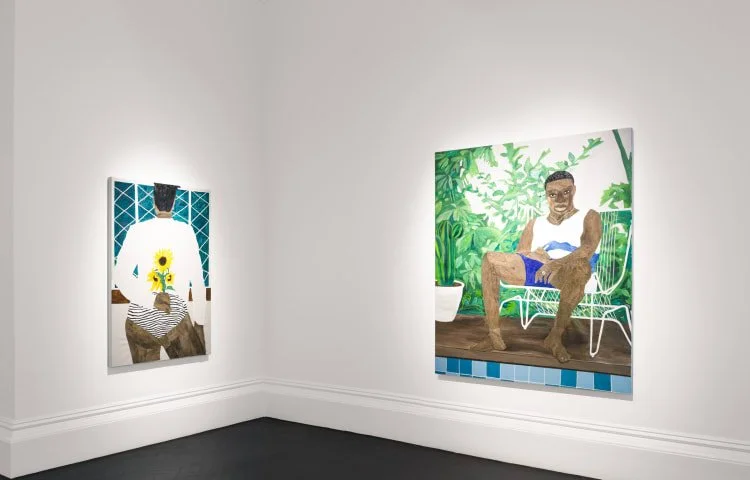
Uncaged and Watered is a visual reconstruction of artist Aplerh-Doku Borlabi’s journey of self-discovery. The title takes inspiration from Maya Angelou’s autobiographical text I Know Why the Caged Bird Sings, which prompts the viewer to draw parallels between Borlabi and the acclaimed author famed for using her love of literature and words to imagine herself out of constraints.
For Borlabi, becoming an internationally exhibited artist has changed his life. It has allowed him to, as he described ‘come out of a cage - a mental cage - the kind strengthened by internalised social norms and pressures that prevent one from being their true self out of fear of disownment. Relishing in the delight of being able to do what moves him spiritually freely and makes him feel whole, Borlabi hopes that his new body of work will encourage others to find and nurture their authentic selves.
Planned in his studio in Accra, in collaboration with photographers, models and muses, Uncaged and Watered was initiated in response to what he notes as an indelible moment in his personal journey towards self-liberation. He describes this moment as one marked by an immense feeling of freedom. Freedom from social constraints and freedom to create beyond his wildest dreams. The work was then to demarcate a turning point in his career and move away from aesthetically driven compositions towards those guided by profound life experiences.